
Value Dossier
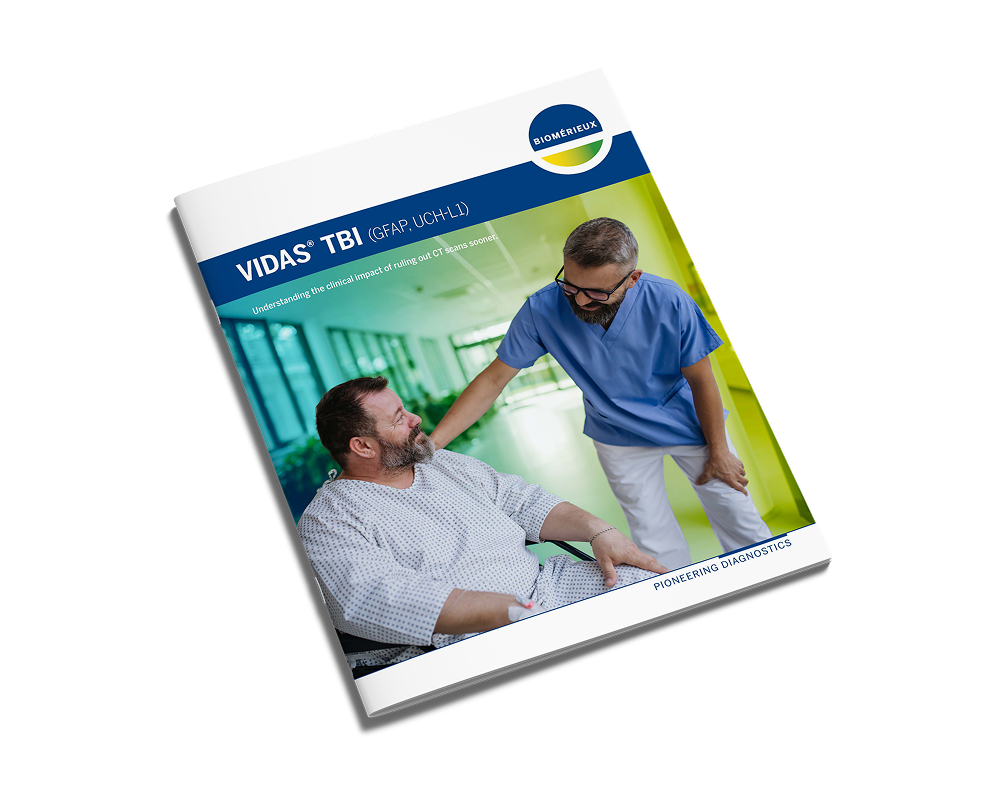
Evaluating the role of FDA cleared blood-based biomarkers in optimizing clinical workflows for mTBI.
This resource examines imaging overuse in mild traumatic brain injury, the role of biomarkers in its reduction, and the potential implications for ED efficiency and patient flow.
Download the Dossier
It's completely free.
Emergency departments are under pressure
Hospitals are rethinking mTBI with novel evidence-backed solutions.
This dossier breaks down:
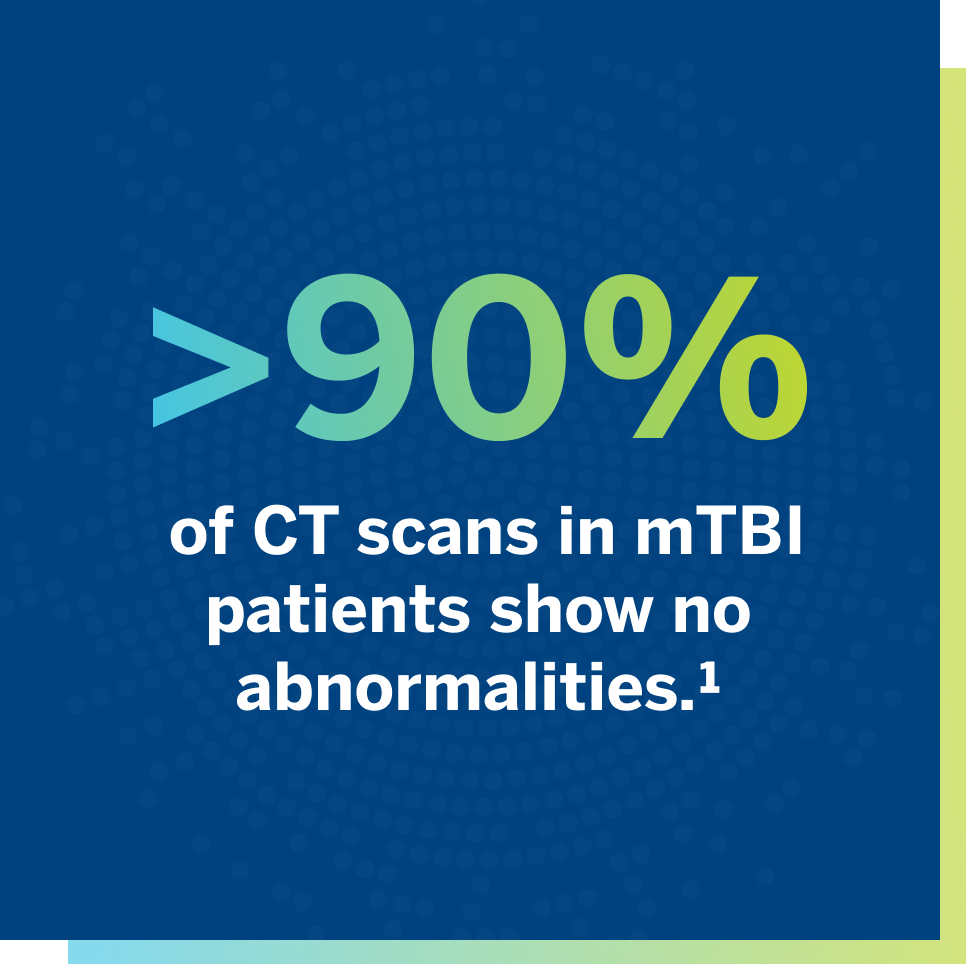
- Why most head CT scans in mTBI may be unnecessary.1
- The potential impact of imaging on patient throughput.2
- Blood biomarker performance in ruling out the need to CT imaging in mTBI.3
- Practice recommendations supported by guidelines.4
- Key insights to help guide your decisions.
Hospitals are already adopting evidence-based alternatives to routine head CTs. VIDAS TBI supports the evaluation of mild traumatic brain injury (mTBI) with a clinically validated, 40-minute blood test designed to help rule out the need for imaging.3,5
References
- Korley, F.K., et al., Emergency Department Evaluation of Traumatic Brain Injury in the United States, 2009-2010. J Head Trauma Rehabil, 2016. 31(6):379-387
- Rogg JG, et al. Describing wait time bottlenecks for ED patients undergoing head CT. Am J Emerg Med. 2017;35(10):1510-1513.
- Bazarian JJ, et al. Serum GFAP and UCH-L1 for prediction of absence of intracranial injuries on head CT (ALERT-TBI). Lancet Neurol. 2018;17(9):782-789. doi:10.1016/S1474-4422(18)30231-X
- American College of Surgeons. ACS TQP Best Practices Guidelines for the Management of Traumatic Brain Injury. 2024. https://www.facs.org/quality-programs/trauma/quality/best-practices-guidelines/. Accessed February 5, 2025.
- bioMérieux. VIDAS® TBI (GFAP, UCH-L1) Package Insert. On file at bioMérieux.